Selling Your Vail Valley Home: A Local’s Summer PlaybookCómo vender tu casa en el Vail Valley: la guía local de verano
Mountain Views Team··4 min read4 min de lectura
Every July the same phone call finds us. Someone has owned in the valley for ten or fifteen years, the kids’ ski trips have thinned out, and somewhere between the farmers market and the drive back to the airport they’ve decided: this might be the summer to sell. Then comes the real question — how do you actually do that well here? Selling in the Vail Valley isn’t like selling in Denver or Dallas, and the sellers who treat it that way usually leave money, time, or both on the table.
We grew up in Eagle County and we’ve watched every kind of listing succeed and struggle, in every season. Here’s the playbook we walk through with sellers each summer — what actually matters, what doesn’t, and what’s different about this market.
Why summer is listing season in Eagle County
Two things happen at once in summer. First, the valley looks like the reason people buy here — green peaks, high rivers, long evenings. We wrote about what a Vail Valley summer actually feels like, and every bit of it works in a seller’s favor: your deck, your view, and your landscaping are all making your argument for you. Second, the buyers are physically present. Second-home owners spend weeks here in July and August, and visitors who came “just to look” walk into open houses. A home that hits the market in early summer gets its photos, its showings, and its negotiations all inside the valley’s best-looking window.
That doesn’t mean winter sales don’t happen — ski season brings its own wave of buyers. But if your home’s strengths are outdoor ones, listing while everything is green is the honest move.
Price against the whole valley, not the house next door
Here’s what surprises sellers most: your competition isn’t your street. A buyer with a set budget is comparing your home in Edwards against a townhome in Vail, a newer build in Gypsum, and everything between — we broke down how differently the same budget behaves in our up-valley versus down-valley guide. That’s why pricing off a neighbor’s sale from last spring is risky. Conditions shift month to month, and the Eagle County market report keeps the current numbers — inventory, pricing, how long homes are taking to sell — in one live place. We start every pricing conversation there, then layer in what the data can’t see: your view corridor, your remodel, your rental history, your HOA.
Your competition isn’t the house next door — it’s every home from Vail to Gypsum in your buyer’s price range.
Prep that pays in a mountain market
In this valley, the deck is a room — buyers judge it like one.
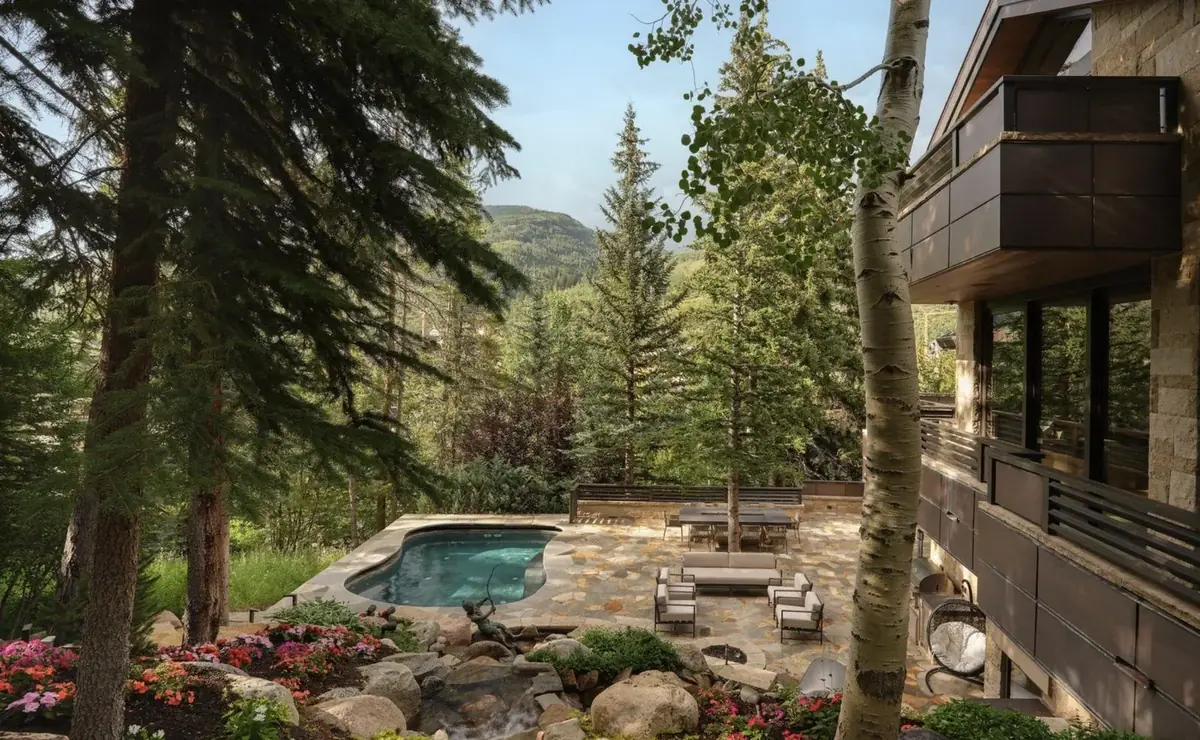
Forget the generic staging checklist for a moment. In this market, buyers are buying a lifestyle, and the prep that pays reflects it. Decks and patios get judged like rooms — stain them, furnish them, make the view the first thing a photo shows. Light matters at altitude: clean the windows, trim anything blocking them. Deferred mountain maintenance — roof wear, driveway cracks from freeze-thaw, aging boilers — shows up in inspections here with total predictability, and handling the obvious items before listing keeps a deal from wobbling later. And if your home has short-term rental history, organize the numbers; for some buyers that’s the difference-maker, though rental rules vary by town and HOA and they change — we verify current details before we market them.
Selling from 1,500 miles away is normal here
A large share of the sellers we represent don’t live in Colorado. If that’s you, know that remote selling is routine in this valley: signing happens electronically, closings can be handled mail-away, and the local logistics — access for showings, snow or landscaping contractors, the small repairs an inspection turns up — are things your listing team should simply handle. It’s the same conversation we have with buyers in reverse in our second-home guide: the distance is only a problem if nobody local owns the details. Our selling page walks through how we run that process end to end.
Questions we hear every week
When is the best time to sell a home in the Vail Valley?
Summer is the traditional listing season — homes show at their greenest and buyers are physically in the valley. But well-priced homes sell in every season here, including ski season. The better question is when your specific home shows best; a ski-in property and a riverfront home have different ideal windows.
Do I need to be in Colorado to sell my Vail Valley home?
No. Remote sales are routine in Eagle County. Documents are signed electronically, closings can be completed by mail or wire from anywhere, and a local listing team manages showings, maintenance access, and inspection repairs on the ground. Many of the valley’s sellers complete the entire transaction without a single trip back.
How do I find out what my Eagle County home is worth?
Start with a free home valuation, then compare against current conditions in the Eagle County market report. For a listing decision, ask a local agent for a full comparative market analysis — it accounts for view, condition, rental potential, and HOA factors that automated estimates miss.
Thinking about it? Start with the honest number
You don’t have to be certain you’re selling to find out where you stand. Get a free valuation, browse what your home would compete against, and then talk to us — in English or Spanish. We’ll give you the honest local read: what your home is worth, what’s worth fixing, and whether this summer is your summer.
Cada julio nos llega la misma llamada. Alguien ha sido dueño en el valle por diez o quince años, los viajes de esquí con los hijos se han ido espaciando, y en algún punto entre el mercado de agricultores y el camino de regreso al aeropuerto lo decidieron: este podría ser el verano para vender. Y entonces viene la verdadera pregunta — ¿cómo se hace eso bien aquí? Vender en el Vail Valley no es como vender en Denver o en Dallas, y los vendedores que lo tratan igual suelen dejar dinero, tiempo o ambos sobre la mesa.
Crecimos en Eagle County y hemos visto todo tipo de propiedades triunfar y batallar, en todas las temporadas. Esta es la guía que repasamos con los vendedores cada verano — qué importa de verdad, qué no, y qué hace diferente a este mercado.
Por qué el verano es la temporada de venta en Eagle County
Dos cosas ocurren al mismo tiempo en verano. Primero, el valle luce como la razón por la que la gente compra aquí — picos verdes, ríos altos, tardes largas. Escribimos sobre cómo se siente realmente un verano en el Vail Valley, y cada detalle juega a favor del vendedor: tu terraza, tu vista y tu jardín están haciendo el argumento por ti. Segundo, los compradores están físicamente presentes. Los dueños de segundas casas pasan semanas aquí en julio y agosto, y los visitantes que vinieron «solo a mirar» entran a los open houses. Una casa que sale al mercado a principios del verano consigue sus fotos, sus visitas y sus negociaciones dentro de la mejor ventana visual del valle.
Eso no significa que no haya ventas en invierno — la temporada de esquí trae su propia ola de compradores. Pero si las fortalezas de tu casa están al aire libre, publicarla cuando todo está verde es la jugada honesta.
Fija el precio contra todo el valle, no contra la casa de al lado
Esto es lo que más sorprende a los vendedores: tu competencia no es tu calle. Un comprador con un presupuesto definido está comparando tu casa en Edwards contra un townhome en Vail, una construcción más nueva en Gypsum y todo lo que hay en medio — explicamos qué tan distinto se comporta el mismo presupuesto en nuestra guía de valle arriba versus valle abajo. Por eso es riesgoso fijar el precio con base en la venta de un vecino de la primavera pasada. Las condiciones cambian mes a mes, y el reporte del mercado de Eagle County mantiene los números actuales — inventario, precios, cuánto tardan en venderse las casas — en un solo lugar vivo. Ahí empezamos cada conversación de precio, y luego sumamos lo que los datos no ven: tu corredor de vistas, tu remodelación, tu historial de renta, tu HOA.
Tu competencia no es la casa de al lado — es cada casa desde Vail hasta Gypsum dentro del presupuesto de tu comprador.
La preparación que sí paga en un mercado de montaña
En este valle, la terraza es una habitación más — y los compradores la juzgan como tal.
Olvida por un momento la lista genérica de staging. En este mercado los compradores compran un estilo de vida, y la preparación que paga lo refleja. Las terrazas y patios se juzgan como habitaciones — dales mantenimiento, amuéblalos, haz que la vista sea lo primero que muestre una foto. La luz importa en la altura: limpia las ventanas, poda lo que las bloquee. El mantenimiento diferido de montaña — desgaste del techo, grietas en el driveway por congelamiento y deshielo, calderas viejas — aparece en las inspecciones aquí con total previsibilidad, y resolver lo obvio antes de publicar evita que el trato se tambalee después. Y si tu casa tiene historial de renta vacacional, organiza los números; para algunos compradores es el factor decisivo, aunque las reglas de renta varían por pueblo y por HOA y cambian — nosotros verificamos los detalles vigentes antes de promocionarlos.
Vender desde 2,500 kilómetros de distancia es normal aquí
Una buena parte de los vendedores que representamos no vive en Colorado. Si ese es tu caso, debes saber que vender a distancia es rutina en este valle: las firmas son electrónicas, el cierre puede hacerse por correo, y la logística local — acceso para visitas, contratistas de nieve o jardinería, las pequeñas reparaciones que revela una inspección — es algo que tu equipo de venta simplemente debe resolver. Es la misma conversación que tenemos con compradores, en sentido inverso, en nuestra guía de segundas casas: la distancia solo es problema si nadie local se hace cargo de los detalles. Nuestra página de venta explica cómo llevamos ese proceso de principio a fin.
Preguntas que escuchamos cada semana
¿Cuál es la mejor época para vender una casa en el Vail Valley?
El verano es la temporada tradicional de venta — las casas lucen su mejor verde y los compradores están físicamente en el valle. Pero las casas bien valoradas se venden en cualquier temporada, incluida la de esquí. La mejor pregunta es cuándo luce mejor tu casa específica; una propiedad ski-in y una casa frente al río tienen ventanas ideales distintas.
¿Necesito estar en Colorado para vender mi casa del Vail Valley?
No. Las ventas a distancia son rutina en Eagle County. Los documentos se firman electrónicamente, el cierre puede completarse por correo o transferencia desde cualquier lugar, y un equipo local de venta gestiona visitas, mantenimiento y reparaciones de inspección en el terreno. Muchos vendedores del valle completan toda la transacción sin un solo viaje de regreso.
¿Cómo sé cuánto vale mi casa en Eagle County?
Empieza con una valuación gratuita y compárala con las condiciones actuales del reporte del mercado de Eagle County. Para decidir si vender, pide a un agente local un análisis comparativo de mercado completo — toma en cuenta vista, condición, potencial de renta y factores del HOA que los estimados automáticos no ven.
¿Lo estás pensando? Empieza con el número honesto
No necesitas estar seguro de vender para saber dónde estás parado. Obtén una valuación gratuita, mira contra qué competiría tu casa, y luego habla con nosotros — en inglés o en español. Te daremos la lectura local honesta: cuánto vale tu casa, qué vale la pena arreglar, y si este verano es tu verano.
Mountain Views TeamBerkshire Hathaway HomeServices Colorado PropertiesLuis & Gerardo Avila — bilingual, born in the valley, and working in Eagle County real estate every day.Luis y Gerardo Avila — bilingües, nacidos en el valle y trabajando todos los días en bienes raíces de Eagle County.
Get new Eagle County listings by emailRecibe nuevas propiedades de Eagle County por correo
Be first to know when homes hit the market. No spam — just the valley, in your inbox.Entérate primero cuando salgan casas al mercado. Sin spam: solo el valle, en tu correo.
Make the Vail Valley homeHaz del Vail Valley tu hogar
Whether you're buying, selling, or just starting to dream, Mountain Views Team is here for the honest local conversation.Ya sea que compres, vendas o apenas empieces a soñar, Mountain Views Team está aquí para la conversación local honesta.
We use cookies to run the site, remember your language and search preferences, and understand traffic. You can accept all or keep only the essentials.Usamos cookies para operar el sitio, recordar tu idioma y preferencias de búsqueda, y entender el tráfico. Puedes aceptar todas o conservar solo las esenciales.Privacy PolicyPolítica de privacidad
Luis & Gerardo Avila — the real estate team across Eagle County, Colorado. Se habla español.Luis y Gerardo Avila — el equipo inmobiliario de todo el condado de Eagle, Colorado.