
Buying a Vail Valley Home in Winter — What the Snow Hides
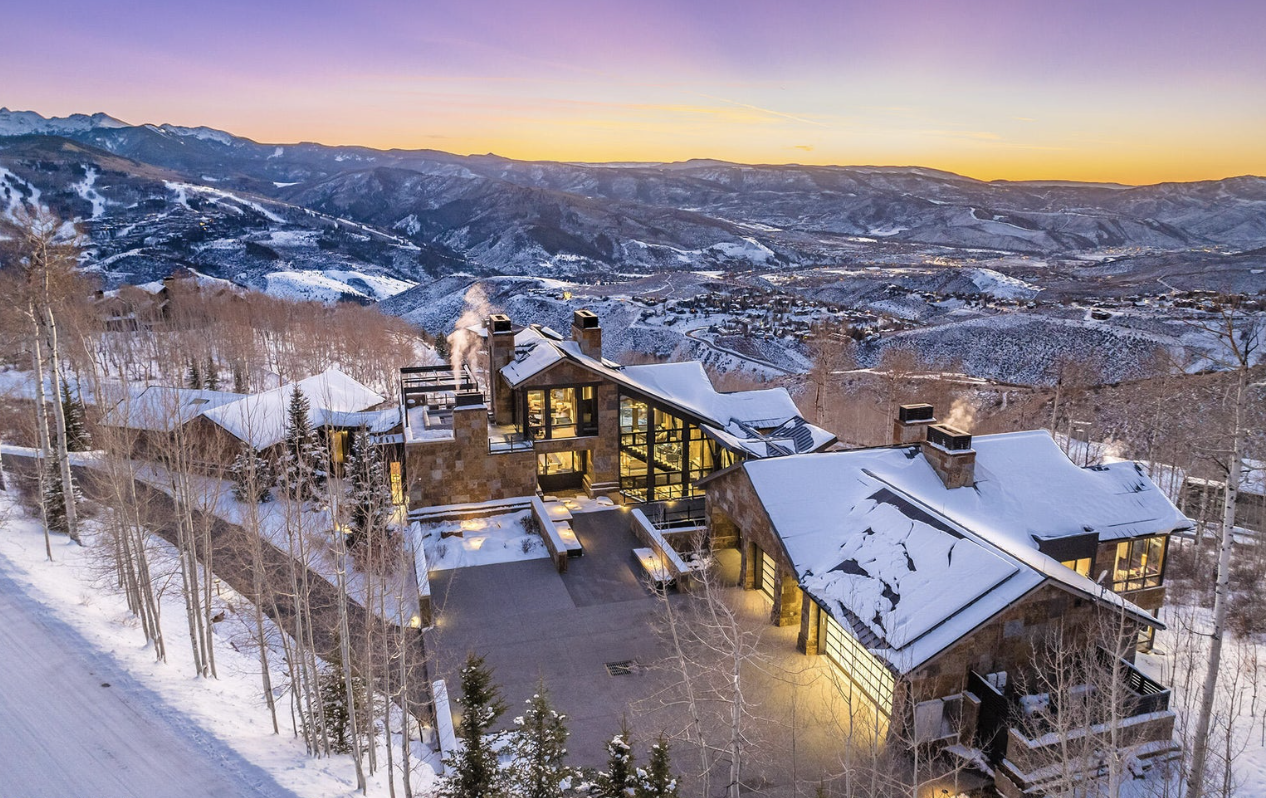
The short answer: yes, you can buy a Vail Valley home in winter, and in some ways it is the most honest season to do it. Snow shows you how a house really lives from December to March: which driveways ice, which roofs carry weight, which rooms get sun. It also hides things, like the roof surface, the grading and the irrigation. At Mountain Views Team, we help buyers in Eagle County use both sides of that, so a winter purchase is a clear-eyed one.
What winter shows you about a Vail Valley home that summer never will
We grew up in Eagle County, and our advice to buyers who tour in July is always the same: come back in January if you can. A showing in August cannot tell you that the driveway faces north and stays icy until April, or that the road up the hill is the last one plowed. In winter you see it on the first visit. Look at which side of the house the snow melts from first, where icicles hang (long ones at the eaves can point to heat escaping into the attic), and whether the walk to the front door is something you would carry groceries up at 6 p.m.
Pay attention to the light too. In the narrow parts of the valley, some homes lose direct sun for weeks in midwinter, while others a few hundred yards away bask in it. Neither is wrong, but it changes heating bills, how fast snow clears and how a living room feels on a February afternoon. Communities from Mountain Star to Edwards have both kinds of lots, and the only reliable way to know is to stand there in the season.
What snow hides from a home inspection

A good inspector does excellent work in winter, but some things are physically out of reach. Many will not walk a roof covered in snow and ice, so they look at it from the ground, a ladder or a drone, and say so in the report. Exterior grading, drainage around the foundation, the patio surface and the driveway itself may all be buried. Irrigation systems have already been blown out for the season, and air conditioning, where a home has it, generally should not be run in freezing temperatures.
None of that is a reason to walk away. It is a reason to ask for more. Request the seller’s disclosures early, along with any roof, boiler or snowmelt service records, and ask whether there are summer photos of the home you can compare. Where something cannot be seen, talk with us about how to handle it in the contract, for example a repair credit or a follow-up look at a specific item once the snow clears. We work through it with you and your inspector before your inspection deadline.
Winter is the most honest season to buy a mountain home. Snow tells the truth about some things and quietly hides others.
Winter costs to ask about before you make an offer
Mountain homes carry winter costs that never show up in a list price. Ask the seller for twelve months of utility bills, so you see the heating season and not just a mild September. If the home has a heated driveway or a snowmelt patio, find out what fuels it, when the boiler was last serviced and how the seller runs it. Ask who plows: in many neighborhoods the HOA or metro district clears the road, but the driveway is yours, and private plow routes fill up early in the season.
Then read the HOA documents with winter in mind. Look at how snow removal and roof maintenance are budgeted, whether there is a reserve study, and whether any special assessments are planned for big items like a roof replacement. Run the full monthly picture, including HOA dues and insurance, in our mortgage calculator. If you are buying a second home that will sit empty for stretches, our winterizing checklist for Vail Valley homes covers what an absentee owner needs in place from the first week.
Is winter a good time to buy in the Vail Valley market?
It can be. As of November 17, 2026, our Eagle County market report shows 602 homes for sale with a median list price of $1,797,250. Many of the sellers still listed have carried their homes through summer and fall, and each listing’s price history tells you a lot about how flexible they may be. We wrote about the autumn side of this in why fall is a smart time to buy. Winter adds one more advantage: you see the house in the conditions you will actually live with.
The tradeoff is competition from winter visitors, who arrive with the lifts and fall for the valley over a ski weekend. If you are in town for a few days on Vail Mountain, set aside one morning for showings and bring your lender letter. Our guide to buying a home in the Vail Valley walks through every step from offer to closing.
Questions we hear every week
Can you get a home inspection in the snow in Colorado?
Yes. Inspectors work year-round in Eagle County, but snow and ice limit what they can see. Roofs may be checked from the ground, a ladder or a drone, and grading, drainage and exterior surfaces may be buried. A good report notes each limitation, so you can ask for service records or negotiate a follow-up.
Is it a good idea to buy a mountain home in winter?
Often, yes. Winter shows how a home handles snow, ice, sun and plowing, which a summer tour cannot. Sellers still on the market in winter have usually been listed for a while. The tradeoff is that snow hides some exterior details, so plan extra due diligence on the roof, drainage and heating system.
What winter costs should I ask about when buying in the Vail Valley?
Ask for a full year of utility bills, the age and service history of the boiler or furnace, the cost of running any heated driveway, and who handles snow removal. Then check the HOA budget and reserves for roof and snow costs, and ask whether any special assessments are planned.
See homes in winter, with locals beside you
If you are coming up this season, tell us which towns you are curious about and we will line up showings that make the most of the snow. Start with our property search and send us the homes you like, or call us at (970) 390-3569. We are Luis and Gerardo Avila, born and raised in Eagle County, and we are glad to walk you through every house in English or Spanish.
Market figures: Mountain Views Team Eagle County market report, current as of November 17, 2026. Figures change daily; see the live report for today’s numbers.
La respuesta corta: sí, usted puede comprar casa en el Valle de Vail en invierno, y en cierto modo es la temporada más honesta para hacerlo. La nieve le muestra cómo se vive realmente una casa de diciembre a marzo: qué entradas de cochera se congelan, qué techos aguantan el peso y qué cuartos reciben sol. También esconde cosas, como la superficie del techo, la nivelación del terreno y el sistema de riego. En Mountain Views Team ayudamos a los compradores en el condado de Eagle a aprovechar ambos lados, para que una compra en invierno se haga con los ojos bien abiertos.
Lo que el invierno le muestra de una casa en el Valle de Vail y el verano nunca
Crecimos en el condado de Eagle, y a los compradores que recorren casas en julio siempre les damos el mismo consejo: regrese en enero si puede. Una visita en agosto no le dice que la entrada de la cochera da al norte y sigue congelada hasta abril, ni que la calle de la loma es la última que limpian las quitanieves. En invierno lo ve desde la primera visita. Fíjese de qué lado de la casa se derrite primero la nieve, dónde cuelgan los carámbanos (los muy largos en los aleros pueden indicar que el calor se escapa hacia el ático) y si el camino a la puerta principal es algo por donde usted subiría con las compras a las 6 de la tarde.
Ponga atención también a la luz. En las partes más angostas del valle, algunas casas pierden el sol directo durante semanas a mitad del invierno, mientras otras a unos cientos de metros lo disfrutan todo el día. Ninguna está mal, pero eso cambia la factura de calefacción, la rapidez con que se limpia la nieve y cómo se siente la sala en una tarde de febrero. Comunidades desde Mountain Star hasta Edwards tienen ambos tipos de terrenos, y la única forma confiable de saberlo es pararse ahí en temporada.
Lo que la nieve le oculta a una inspección de casa
Un buen inspector hace un excelente trabajo en invierno, pero hay cosas que físicamente no puede alcanzar. Muchos no caminan sobre un techo cubierto de nieve y hielo, así que lo revisan desde el suelo, una escalera o un dron, y lo anotan en el reporte. La nivelación exterior, el drenaje alrededor de los cimientos, la superficie del patio y la misma entrada de la cochera pueden estar enterrados. Los sistemas de riego ya se purgaron para la temporada, y el aire acondicionado, donde lo hay, por lo general no debe encenderse con temperaturas bajo cero.
Nada de eso es razón para retirarse. Es razón para pedir más. Solicite pronto las declaraciones del vendedor, junto con cualquier registro de servicio del techo, la caldera o el sistema de deshielo, y pregunte si hay fotos de la casa en verano para comparar. Cuando algo no se puede ver, hable con nosotros sobre cómo manejarlo en el contrato, por ejemplo con un crédito para reparaciones o una revisión posterior de un punto específico cuando se derrita la nieve. Lo trabajamos con usted y su inspector antes de la fecha límite de inspección.
El invierno es la temporada más honesta para comprar una casa de montaña. La nieve dice la verdad sobre algunas cosas y, en silencio, esconde otras.
Costos de invierno que debe preguntar antes de hacer una oferta
Las casas de montaña tienen costos de invierno que nunca aparecen en el precio de lista. Pídale al vendedor doce meses de recibos de servicios, para ver la temporada de calefacción y no solo un septiembre templado. Si la casa tiene entrada de cochera con calefacción o un patio con sistema de deshielo, averigüe con qué funciona, cuándo se le dio servicio a la caldera por última vez y cómo lo usa el vendedor. Pregunte quién quita la nieve: en muchos vecindarios la HOA o el distrito metropolitano limpia la calle, pero la entrada de la cochera le toca a usted, y las rutas privadas de quitanieves se llenan al inicio de la temporada.
Después lea los documentos de la HOA pensando en el invierno. Revise cómo se presupuestan la limpieza de nieve y el mantenimiento de techos, si existe un estudio de reservas y si hay cuotas especiales previstas para obras grandes, como cambiar un techo. Calcule el pago mensual completo, con cuotas de la HOA y seguro, en nuestra calculadora de hipoteca. Si va a comprar una segunda casa que estará vacía por temporadas, nuestra lista para preparar su casa del Valle de Vail para el invierno explica lo que un propietario ausente necesita tener listo desde la primera semana.
¿Es buen momento para comprar casa en invierno en el Valle de Vail?
Puede serlo. Al 17 de noviembre de 2026, nuestro reporte del mercado del condado de Eagle muestra 602 casas en venta con un precio de lista medio de $1,797,250. Muchos de los vendedores que siguen en el mercado han tenido su casa publicada todo el verano y el otoño, y el historial de precios de cada propiedad dice mucho sobre qué tan flexibles pueden ser. Escribimos sobre el lado otoñal de esto en por qué el otoño es un buen momento para comprar. El invierno suma una ventaja más: usted ve la casa en las condiciones en las que de verdad va a vivir.
La desventaja es la competencia de los visitantes de invierno, que llegan con la apertura de los telesillas y se enamoran del valle en un fin de semana de esquí. Si viene unos días a esquiar en Vail Mountain, reserve una mañana para ver casas y traiga la carta de preaprobación de su prestamista. Nuestra guía para comprar casa en el Valle de Vail explica cada paso, desde la oferta hasta el cierre.
Preguntas que escuchamos cada semana
¿Se puede hacer una inspección de casa con nieve en Colorado?
Sí. Los inspectores trabajan todo el año en el condado de Eagle, pero la nieve y el hielo limitan lo que pueden ver. El techo puede revisarse desde el suelo, una escalera o un dron, y la nivelación, el drenaje y las superficies exteriores pueden estar enterrados. Un buen reporte anota cada limitación, para que usted pida registros de servicio o negocie una revisión posterior.
¿Conviene comprar una casa de montaña en invierno?
Muchas veces, sí. El invierno muestra cómo responde una casa a la nieve, el hielo, el sol y la limpieza de calles, algo que una visita en verano no puede mostrar. Los vendedores que siguen en el mercado en invierno por lo general llevan tiempo publicados. La desventaja es que la nieve oculta detalles exteriores, así que revise con más cuidado el techo, el drenaje y la calefacción.
¿Qué costos de invierno debo preguntar al comprar en el Valle de Vail?
Pida un año completo de recibos de servicios, la antigüedad y el historial de servicio de la caldera o el calefactor, el costo de operar cualquier entrada de cochera con calefacción y quién se encarga de quitar la nieve. Luego revise el presupuesto y las reservas de la HOA para techos y nieve, y pregunte si hay cuotas especiales previstas.
Vea casas en invierno, con gente de aquí a su lado
Si viene esta temporada, díganos qué pueblos le interesan y organizamos visitas que aprovechen la nieve. Empiece con nuestra búsqueda de propiedades y envíenos las casas que le gusten, o llámenos al (970) 390-3569. Somos Luis y Gerardo Avila, nacidos y criados en el condado de Eagle, y con gusto le mostramos cada casa en español o en inglés.
Cifras del mercado: reporte del mercado del condado de Eagle de Mountain Views Team, vigente al 17 de noviembre de 2026. Las cifras cambian a diario; consulte el reporte en vivo para ver los números de hoy.
Get new Eagle County listings by email
Choose what you want and how often. Change it or stop any time from any alert email.
Enjoyed this? Get the next one by email
New articles and the monthly Vail Valley market report. Free. More topics
Make the Vail Valley home
Whether you're buying, selling, or just starting to dream, Mountain Views Team is here for the honest local conversation.
Search listings Get a home valuation Explore communities Contact us
Mountain Views Team · Berkshire Hathaway HomeServices Colorado Properties · (970) 390-3569


