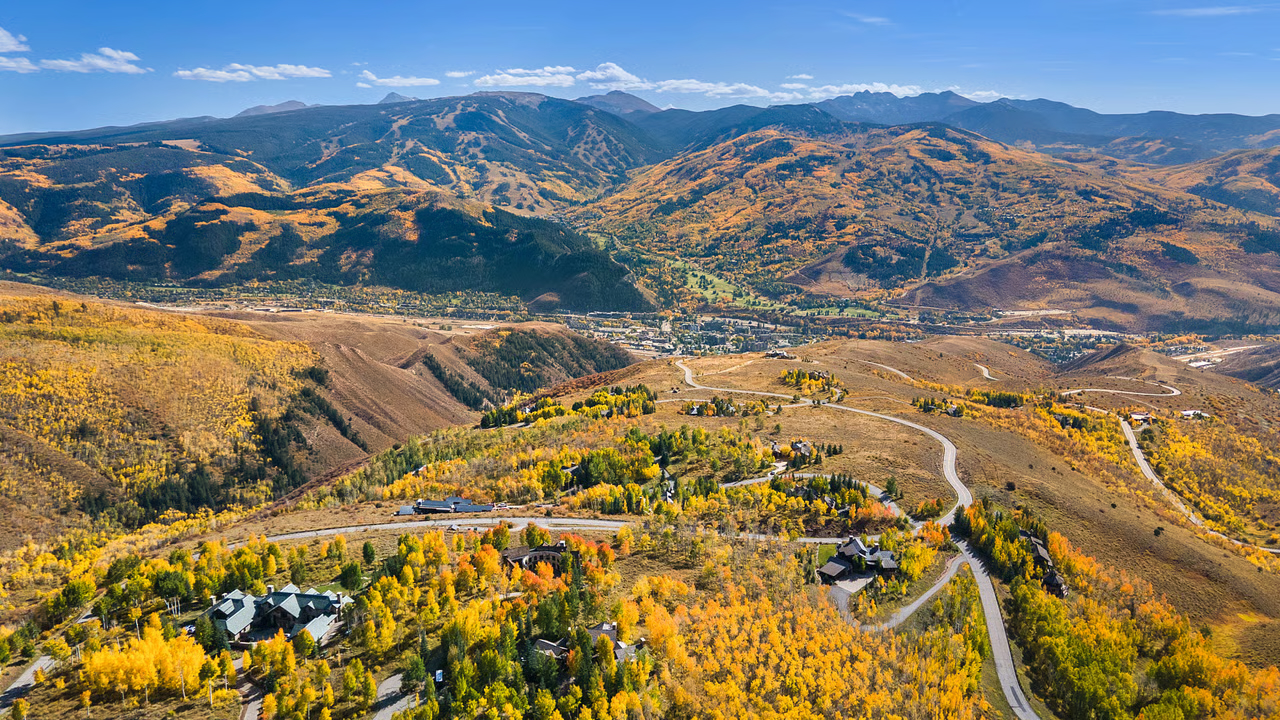
Winterizing Your Vail Valley Home — A Local’s Fall ChecklistCómo preparar su casa en Vail Valley para el invierno — La lista de otoño de un local
Mountain Views Team··6 min read6 min de lectura
The short answer: a Vail Valley home should be winter-ready before the first hard freeze, not before the first big snow. That usually means finishing the list by mid-October: irrigation blown out, heat tape tested, furnace and humidifier serviced, hose bibs shut, and a clear plan for who checks the house when you are not here. Everything else is detail. That list is the difference between a quiet winter and a January phone call about a burst pipe.
Why winter here is harder on a house than most owners expect
We grew up in Eagle County, and the thing we still see catch new owners off guard is not the snow. It is the swing. A sunny afternoon in Edwards can feel like fall at 2 p.m. and the same driveway can be a sheet of ice by 7. Roofs melt and refreeze at the eaves, pipes in an unheated garage wall go from fine to frozen in one clear night, and a south-facing deck can be dry while the north side of the house is still holding a foot of snow in April.
Add altitude and dry air, and a house up here simply asks more of you than a house at sea level. None of it is complicated. It just has to happen on time, and the calendar is less forgiving than people think. If you bought this summer, our guide to buying a home in the Vail Valley covers the inspection side; this post is what comes after closing.
Outside the house: water, roof, and the driveway
Start with anything that holds water. Irrigation systems need to be blown out with compressed air before the ground freezes, and in our experience the good landscape companies book up fast in late September, so call now rather than after the first cold snap. Shut off and drain exterior hose bibs, disconnect hoses, and if you have a water feature or a hot tub that will sit unused, decide now whether it gets drained or kept running all winter. A half-drained anything is the worst option.
Then look up. Clean the gutters once the aspens drop, and test the heat tape along the eaves and in the downspouts before you need it. Ice dams are the classic Vail Valley roof problem: snow melts over the warm part of the house, refreezes at the cold edge, and water backs up under the shingles. Heat tape, attic insulation, and ventilation are the defense, and a roofer can tell you in one visit whether yours is set up right. If your home has a metal roof, know where the snow will slide and keep cars, grills, and walkways out of that zone.
Finally, the driveway. If yours is steep or shaded, a snow-removal contract is not optional, and plow companies in the valley fill their routes early. Ask your HOA what it covers and what it does not; in many neighborhoods the association plows the road but the last thirty feet to your garage are yours. If you have a heated driveway, have the boiler serviced and run a test cycle in October, when a repair is an inconvenience rather than an emergency.
Winterize for the first hard freeze, not the first big snow. By the time the mountain opens, the list should already be done.
Inside the house: heat, air, and the things that break quietly
A roof that sheds snow cleanly and a driveway someone is paid to clear: two of the quietest signs a home is set up for a Vail winter.
Have the furnace or boiler serviced every fall, full stop. Replace filters, and if you heat with a wood stove or fireplace, get the chimney swept and inspected before the first fire. Whole-house humidifiers matter more here than almost anywhere; the air at this elevation in January is dry enough to crack hardwood floors, shrink trim, and split furniture, so make sure the humidifier is clean, running, and set sensibly. Check that smoke and carbon monoxide detectors are working, especially near a garage or a gas appliance.
Then walk the cold edges of the house. Pipes that run through garage walls, crawlspaces, and exterior walls under sinks are the ones that freeze. Open cabinet doors under sinks on exterior walls during cold stretches, insulate exposed runs, and make sure the garage door seals. Know where the main water shutoff is and confirm it actually turns; we have met plenty of owners who found out in a crisis that theirs did not.
If you will not be here: the second-home winter plan
Many of the homes we sell in Vail, Beaver Creek, and Cordillera sit empty for weeks at a time in winter, and that is where the real risk lives. Never turn the heat off. Set it to a safe minimum, install a WiFi thermostat and a freeze or water-leak sensor that texts you, and consider shutting off the main water supply and draining what you can if the house will sit for more than a couple of weeks. Check your insurance policy too: some carriers require a minimum temperature or periodic in-person checks for a vacant home, and it is better to know that in October than after a claim.
Most important, have a human. A property manager, a neighbor, a caretaker service, someone who walks through weekly, clears the walk, and calls you when the furnace sounds wrong. We wrote about that same question from the buyer’s side in buying a second home in the Vail Valley, and it does not stop mattering after closing. If the home is on a short-term rental calendar, the rules add another layer; our post on Eagle County short-term rental rules covers what to verify.
The bonus items locals actually do
Stock the garage now: ice melt, a good shovel, a roof rake if your eaves are reachable, and winter tires on the car before the pass ices up. If you live down-valley in Eagle or Gypsum on propane, top off the tank before the delivery schedules tighten. Keep wildlife in mind through the fall as bears fatten up before denning: secure trash, take bird feeders down, and know your town’s rules, since several Eagle County communities have specific requirements for bear-resistant containers. And put the mountain’s opening day on the calendar. Our Vail and Beaver Creek ski guides are the fun half of this list, and if the house is ready, you get to enjoy them.
Questions we hear every week
When should I winterize a home in the Vail Valley?
Aim to finish by mid-October, before the first hard freeze rather than the first big snowfall. Hard freezes in Eagle County routinely arrive weeks ahead of ski season, and the services you need most, irrigation blow-outs, furnace tune-ups, and plow contracts, book up quickly in late September and early October.
Should I turn the heat off in a Vail Valley second home while I am away?
No. Keep the heat on at a safe minimum, add a WiFi thermostat and a freeze or leak sensor that alerts you, and consider shutting off the main water supply for long absences. Frozen pipes cause far more damage than a winter of heating costs, and some insurance policies require a minimum temperature.
What is an ice dam and how do I prevent one?
An ice dam forms when roof snow melts over the warm part of the house, refreezes at the cold eave, and backs water up under the shingles. Prevention is a combination of attic insulation, ventilation, and working heat tape along the eaves and downspouts, tested each fall before the snow arrives.
Have a question about your specific house?
Every home in this valley has its own quirks: the north wall that never thaws, the driveway that ices at 4 p.m., the crawlspace the previous owner never mentioned. If you own here and want a second opinion on getting ready for winter, or if you are thinking about buying and want to know what a mountain home will actually ask of you, reach out. We are also glad to run a home valuation if winter has you thinking about a change, and you can always browse what is on the market through our property search. We are a father-and-son team, born and raised in Eagle County, and we are happy to talk in English or Spanish.
La respuesta corta: una casa en Vail Valley debe estar lista para el invierno antes de la primera helada fuerte, no antes de la primera nevada grande. En la práctica eso significa terminar la lista a mediados de octubre: sistema de riego purgado, cinta térmica probada, calefacción y humidificador con servicio, llaves exteriores cerradas y un plan claro de quién revisa la casa cuando usted no está. Todo lo demás es detalle. Esa lista es la diferencia entre un invierno tranquilo y una llamada en enero por una tubería reventada.
Por qué el invierno aquí exige más a una casa de lo que muchos dueños esperan
Crecimos en Eagle County, y lo que todavía vemos que sorprende a los nuevos propietarios no es la nieve. Es el cambio brusco. Una tarde soleada en Edwards puede sentirse como otoño a las 2 p.m. y esa misma entrada puede ser una capa de hielo a las 7. Los techos se derriten y se vuelven a congelar en los aleros, las tuberías en la pared de una cochera sin calefacción pasan de estar bien a congeladas en una sola noche despejada, y una terraza orientada al sur puede estar seca mientras el lado norte de la casa todavía guarda treinta centímetros de nieve en abril.
Sume la altitud y el aire seco, y una casa aquí simplemente le pide más que una casa a nivel del mar. Nada de esto es complicado. Solo tiene que hacerse a tiempo, y el calendario perdona menos de lo que la gente cree. Si compró este verano, nuestra guía para comprar casa en Vail Valley cubre la parte de la inspección; este artículo es lo que viene después del cierre.
Afuera de la casa: agua, techo y entrada
Empiece por todo lo que contenga agua. Los sistemas de riego deben purgarse con aire comprimido antes de que el suelo se congele, y por experiencia sabemos que las buenas empresas de jardinería se llenan rápido a finales de septiembre, así que llame ahora y no después del primer golpe de frío. Cierre y drene las llaves exteriores, desconecte las mangueras, y si tiene una fuente o un jacuzzi que no va a usar, decida ahora si se drena o se mantiene funcionando todo el invierno. Dejar algo a medio drenar es la peor opción.
Luego mire hacia arriba. Limpie las canaletas cuando los álamos suelten la hoja, y pruebe la cinta térmica a lo largo de los aleros y dentro de las bajadas antes de necesitarla. Las presas de hielo son el problema clásico de los techos en Vail Valley: la nieve se derrite sobre la parte cálida de la casa, se vuelve a congelar en el borde frío y el agua se mete por debajo de las tejas. La cinta térmica, el aislamiento del ático y la ventilación son la defensa, y un techador puede decirle en una sola visita si el suyo está bien resuelto. Si su casa tiene techo de lámina, sepa hacia dónde se va a deslizar la nieve y mantenga autos, asadores y pasillos fuera de esa zona.
Por último, la entrada. Si la suya es empinada o sombreada, un contrato de retiro de nieve no es opcional, y las empresas de quitanieves del valle completan sus rutas temprano. Pregunte a su HOA qué cubre y qué no; en muchos vecindarios la asociación limpia la calle, pero los últimos diez metros hasta su cochera son suyos. Si tiene entrada con calefacción, dé servicio a la caldera y haga una prueba en octubre, cuando una reparación es una molestia y no una emergencia.
Prepare la casa para la primera helada fuerte, no para la primera nevada grande. Cuando abra la montaña, la lista ya debería estar terminada.
Adentro de la casa: calefacción, aire y lo que se descompone en silencio
Un techo que suelta la nieve limpiamente y una entrada que alguien cobra por despejar: dos de las señales más discretas de que una casa está lista para un invierno en Vail.
Dé servicio a la calefacción o a la caldera cada otoño, sin excepción. Cambie los filtros, y si calienta con estufa de leña o chimenea, mande limpiar e inspeccionar el tiro antes del primer fuego. Los humidificadores de toda la casa importan aquí más que en casi cualquier otro lugar; el aire a esta altitud en enero es tan seco que agrieta pisos de madera, encoge molduras y raja muebles, así que asegúrese de que el humidificador esté limpio, funcionando y bien ajustado. Revise que los detectores de humo y de monóxido de carbono funcionen, sobre todo cerca de la cochera o de un aparato de gas.
Después recorra los bordes fríos de la casa. Las tuberías que pasan por paredes de cochera, espacios bajo el piso y muros exteriores debajo de los fregaderos son las que se congelan. Abra las puertas de los gabinetes bajo los fregaderos en muros exteriores durante las rachas de frío, aísle los tramos expuestos y verifique que la puerta de la cochera selle bien. Sepa dónde está la llave general del agua y confirme que realmente gira; hemos conocido a muchos dueños que descubrieron en plena crisis que la suya no lo hacía.
Si usted no va a estar: el plan de invierno para la segunda residencia
Muchas de las casas que vendemos en Vail, Beaver Creek y Cordillera pasan semanas vacías en invierno, y ahí es donde vive el verdadero riesgo. Nunca apague la calefacción. Déjela en un mínimo seguro, instale un termostato WiFi y un sensor de congelación o de fuga de agua que le mande un mensaje, y considere cerrar la llave general y drenar lo que pueda si la casa va a estar sola más de un par de semanas. Revise también su póliza de seguro: algunas aseguradoras exigen una temperatura mínima o revisiones presenciales periódicas en una casa desocupada, y es mejor saberlo en octubre que después de un siniestro.
Lo más importante: tenga a una persona. Un administrador de propiedades, un vecino, un servicio de cuidado de casas, alguien que pase cada semana, despeje la banqueta y le llame cuando la calefacción suene raro. Escribimos sobre esa misma pregunta desde el lado del comprador en comprar una segunda residencia en Vail Valley, y no deja de importar después del cierre. Si la casa está en un calendario de renta a corto plazo, las reglas agregan otra capa; nuestro artículo sobre las reglas de renta a corto plazo en Eagle County explica qué verificar.
Los extras que los locales sí hacen
Surta la cochera desde ahora: sal para deshielo, una buena pala, un rastrillo para techo si sus aleros están al alcance, y llantas de invierno en el auto antes de que el paso se congele. Si vive valle abajo en Eagle o Gypsum con gas propano, llene el tanque antes de que los calendarios de entrega se aprieten. Tenga presente la fauna durante el otoño, cuando los osos engordan antes de hibernar: asegure la basura, retire los comederos de aves y conozca las reglas de su municipio, ya que varias comunidades de Eagle County tienen requisitos específicos sobre contenedores a prueba de osos. Y anote en el calendario el día de apertura de la montaña. Nuestras guías para esquiar en Vail y Beaver Creek son la mitad divertida de esta lista, y si la casa está lista, usted las va a poder disfrutar.
Preguntas que escuchamos cada semana
¿Cuándo debo preparar para el invierno una casa en Vail Valley?
Procure terminar a mediados de octubre, antes de la primera helada fuerte y no de la primera nevada grande. Las heladas fuertes en Eagle County suelen llegar semanas antes de la temporada de esquí, y los servicios que más necesita, purga de riego, afinación de calefacción y contratos de quitanieves, se agotan rápido a finales de septiembre y principios de octubre.
¿Debo apagar la calefacción de mi segunda residencia en Vail Valley mientras no estoy?
No. Mantenga la calefacción en un mínimo seguro, agregue un termostato WiFi y un sensor de congelación o de fugas que le avise, y considere cerrar la llave general del agua en ausencias largas. Las tuberías congeladas causan mucho más daño que un invierno de gasto en calefacción, y algunas pólizas de seguro exigen una temperatura mínima.
¿Qué es una presa de hielo y cómo la evito?
Una presa de hielo se forma cuando la nieve del techo se derrite sobre la parte cálida de la casa, se vuelve a congelar en el alero frío y el agua se acumula por debajo de las tejas. La prevención combina aislamiento del ático, ventilación y cinta térmica funcionando en aleros y bajadas, probada cada otoño antes de que llegue la nieve.
¿Tiene una duda sobre su casa en particular?
Cada casa en este valle tiene sus propias mañas: el muro norte que nunca se descongela, la entrada que se congela a las 4 p.m., el espacio bajo el piso que el dueño anterior nunca mencionó. Si es propietario aquí y quiere una segunda opinión para prepararse para el invierno, o si está pensando en comprar y quiere saber qué le va a exigir realmente una casa de montaña, escríbanos. También con gusto hacemos una valuación de su casa si el invierno lo tiene pensando en un cambio, y siempre puede ver lo que está en el mercado en nuestra búsqueda de propiedades. Somos un equipo de padre e hijo, nacidos y criados en Eagle County, y con gusto platicamos en español o en inglés.
Mountain Views TeamBerkshire Hathaway HomeServices Colorado PropertiesLuis & Gerardo Avila — bilingual, born in the valley, and working in Eagle County real estate every day.Luis y Gerardo Avila — bilingües, nacidos en el valle y trabajando todos los días en bienes raíces de Eagle County.
Get new Eagle County listings by emailRecibe nuevas propiedades de Eagle County por correo
Be first to know when homes hit the market. No spam — just the valley, in your inbox.Entérate primero cuando salgan casas al mercado. Sin spam: solo el valle, en tu correo.
Make the Vail Valley homeHaz del Vail Valley tu hogar
Whether you're buying, selling, or just starting to dream, Mountain Views Team is here for the honest local conversation.Ya sea que compres, vendas o apenas empieces a soñar, Mountain Views Team está aquí para la conversación local honesta.
Work with Luis or GerardoTrabaje con Luis o Gerardo
Choose who you would like to talk to. Both work across Eagle County, in English and Spanish.Elija con quién le gustaría hablar. Ambos trabajan en todo el condado de Eagle, en inglés y español.
We use cookies to run the site, remember your language and search preferences, and understand traffic. You can accept all or keep only the essentials.Usamos cookies para operar el sitio, recordar tu idioma y preferencias de búsqueda, y entender el tráfico. Puedes aceptar todas o conservar solo las esenciales.Privacy PolicyPolítica de privacidad
Luis & Gerardo Avila — the real estate team across Eagle County, Colorado. Se habla español.Luis y Gerardo Avila — el equipo inmobiliario de todo el condado de Eagle, Colorado.